RESOURCES
Balancing Mental and Physical Well-Being
Telehealth works best when treating the whole person. This means integrating physical health monitoring, mental-emotional support, lifestyle guidance, and follow-up into a single, coordinated experience.
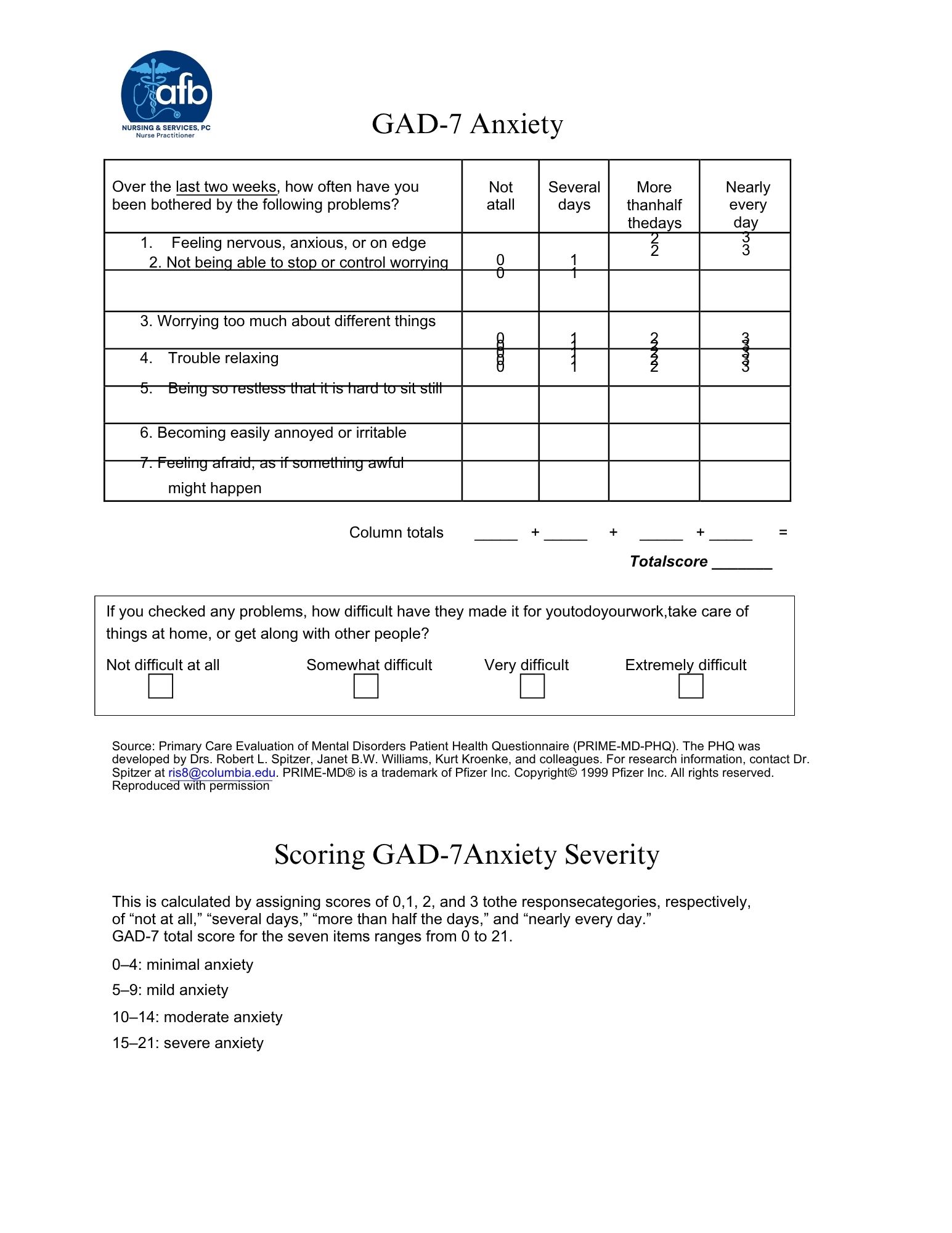
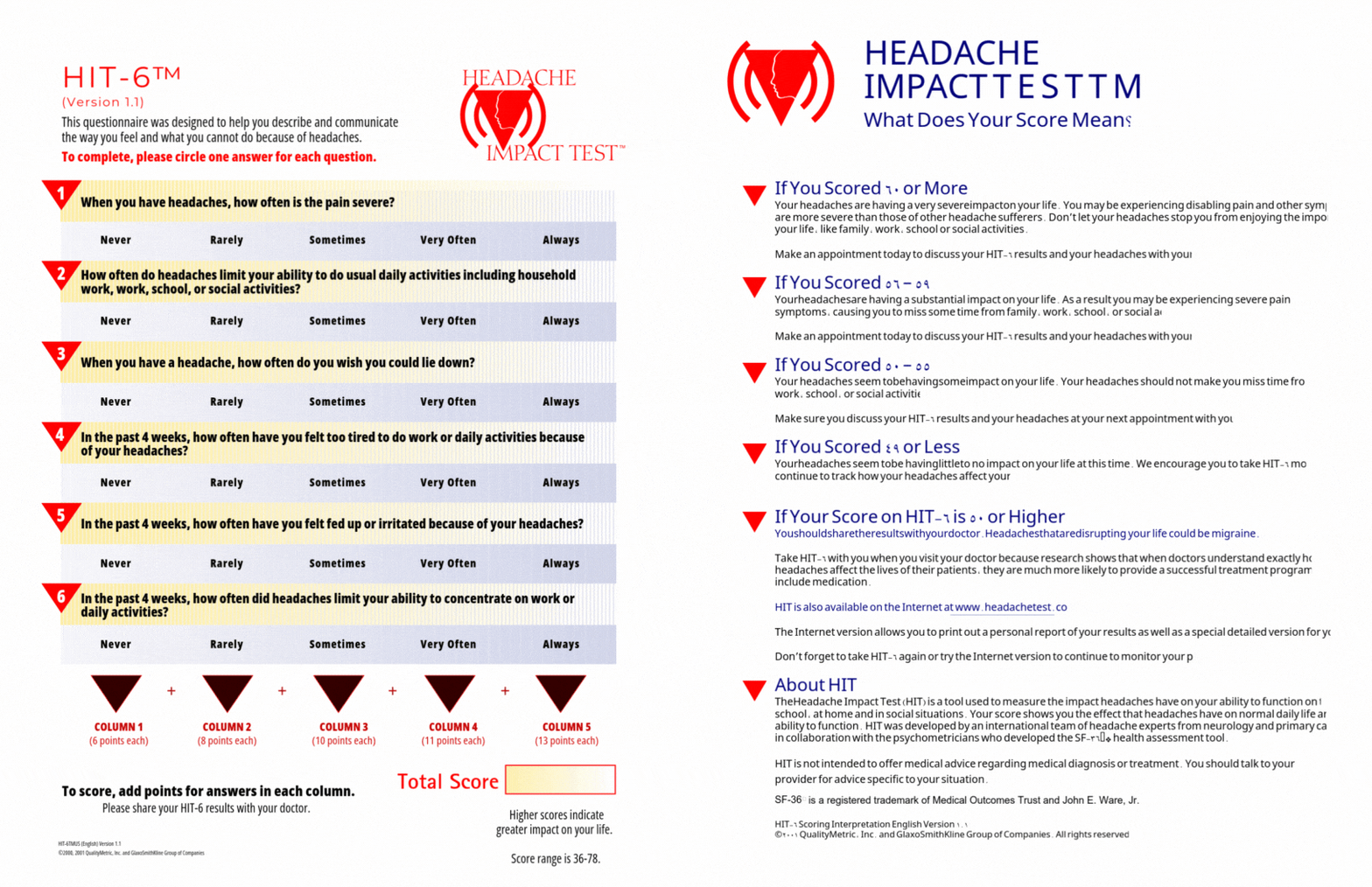
Physical symptoms often have mental/emotional drivers (stress, sleep issues, anxiety).
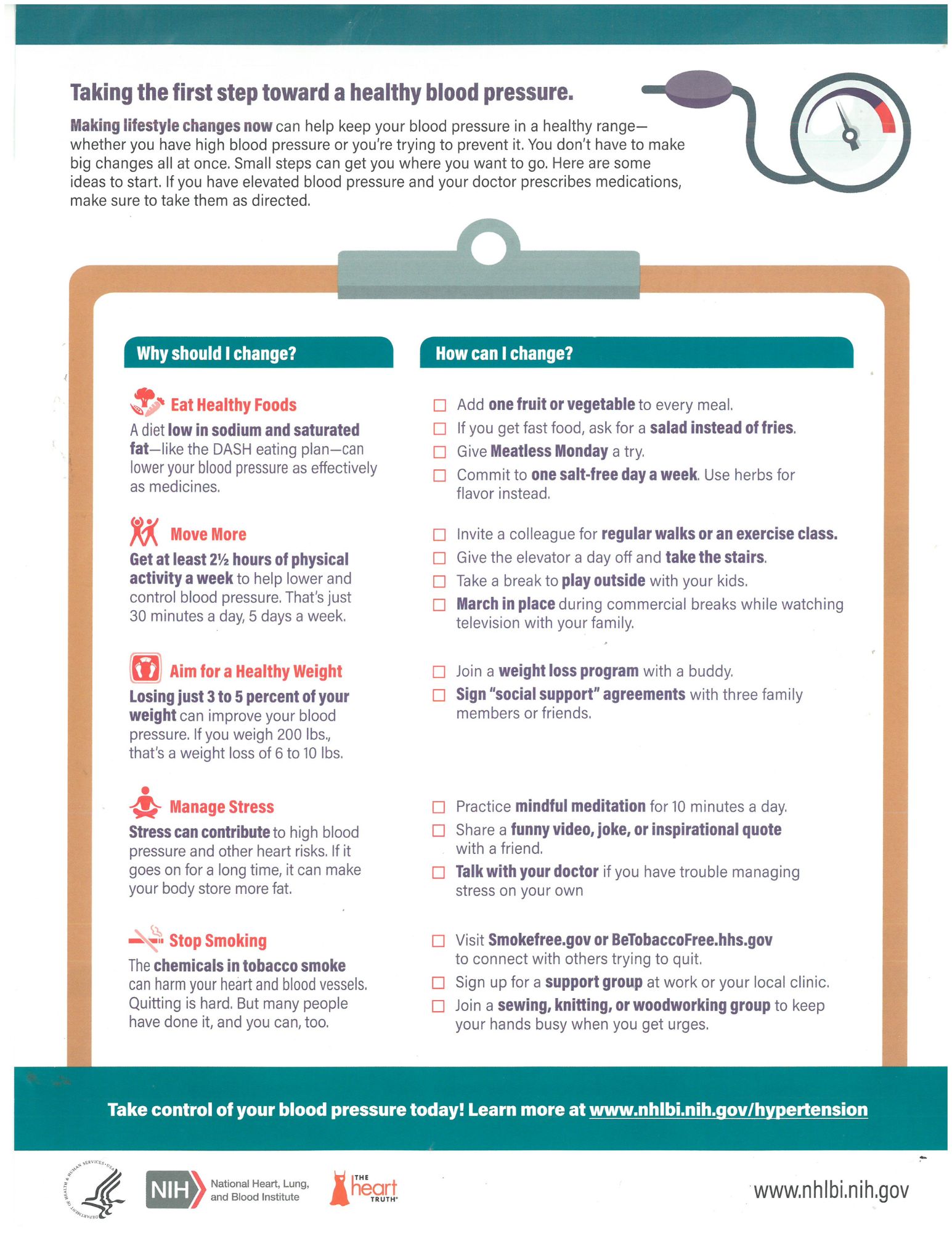
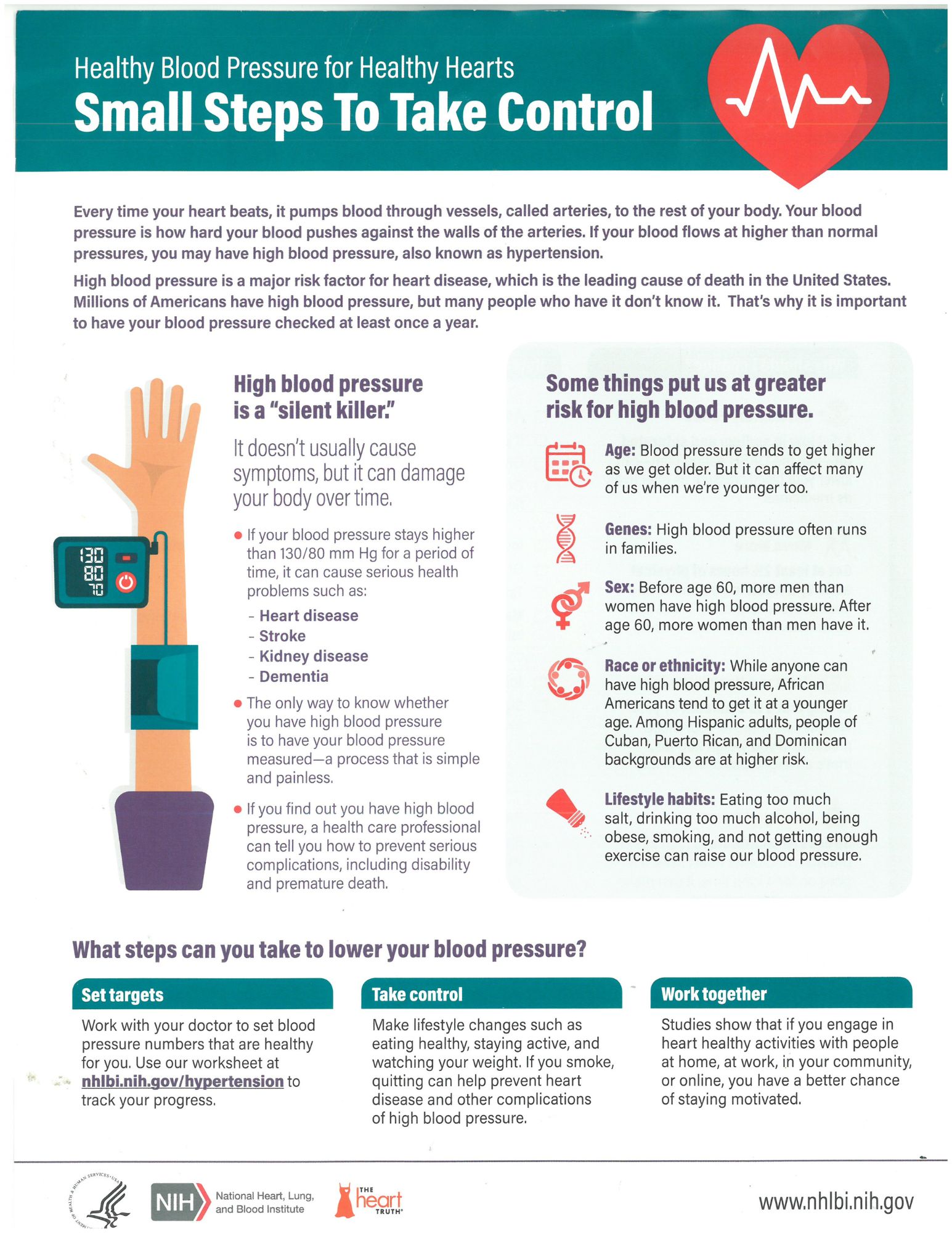
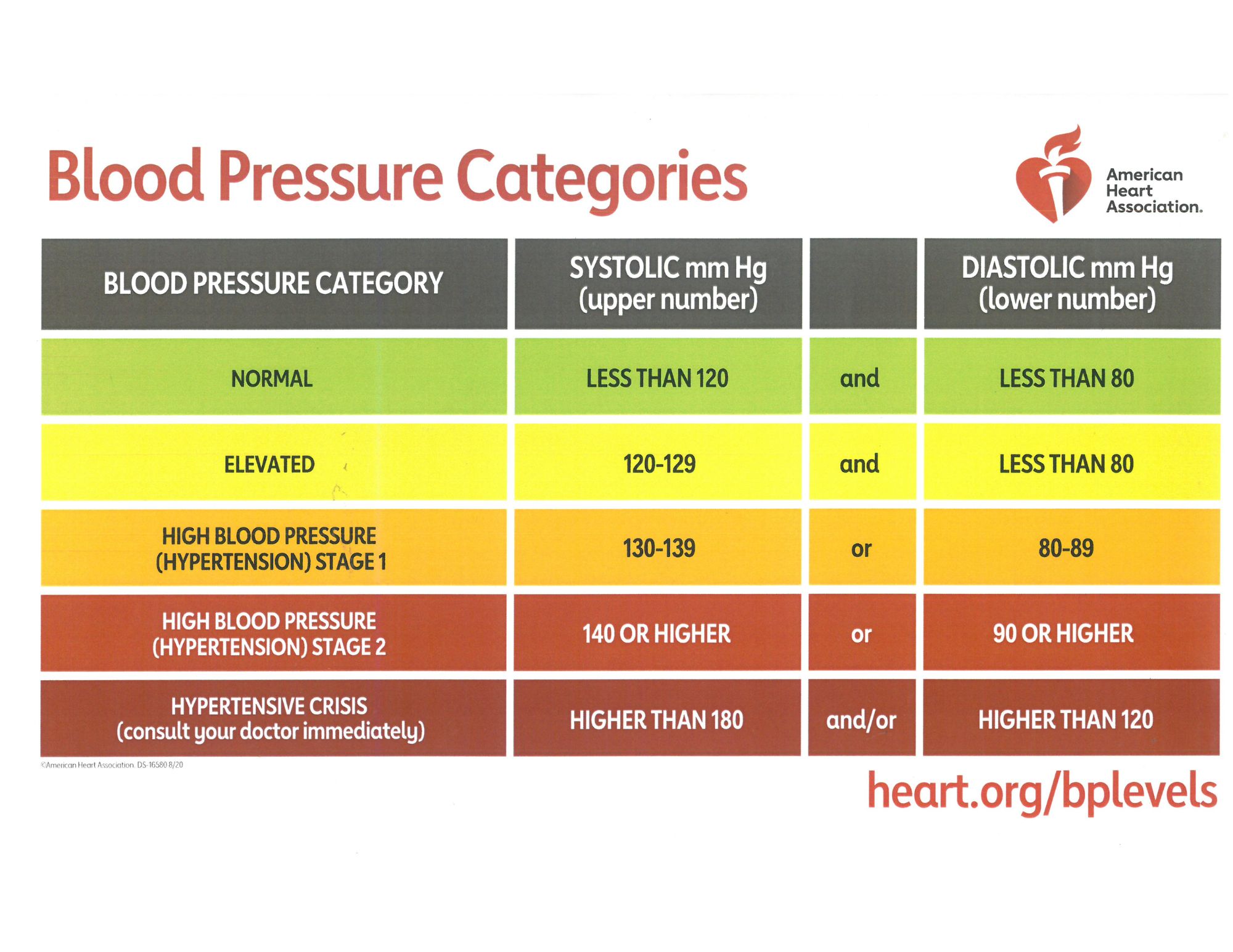
Mental health conditions can worsen physical illnesses (pain, blood pressure, immune response).
AFB Nuring Services, P.C. acknowledges this interplay and provide personalized care tailored to your needs.
Information and Education
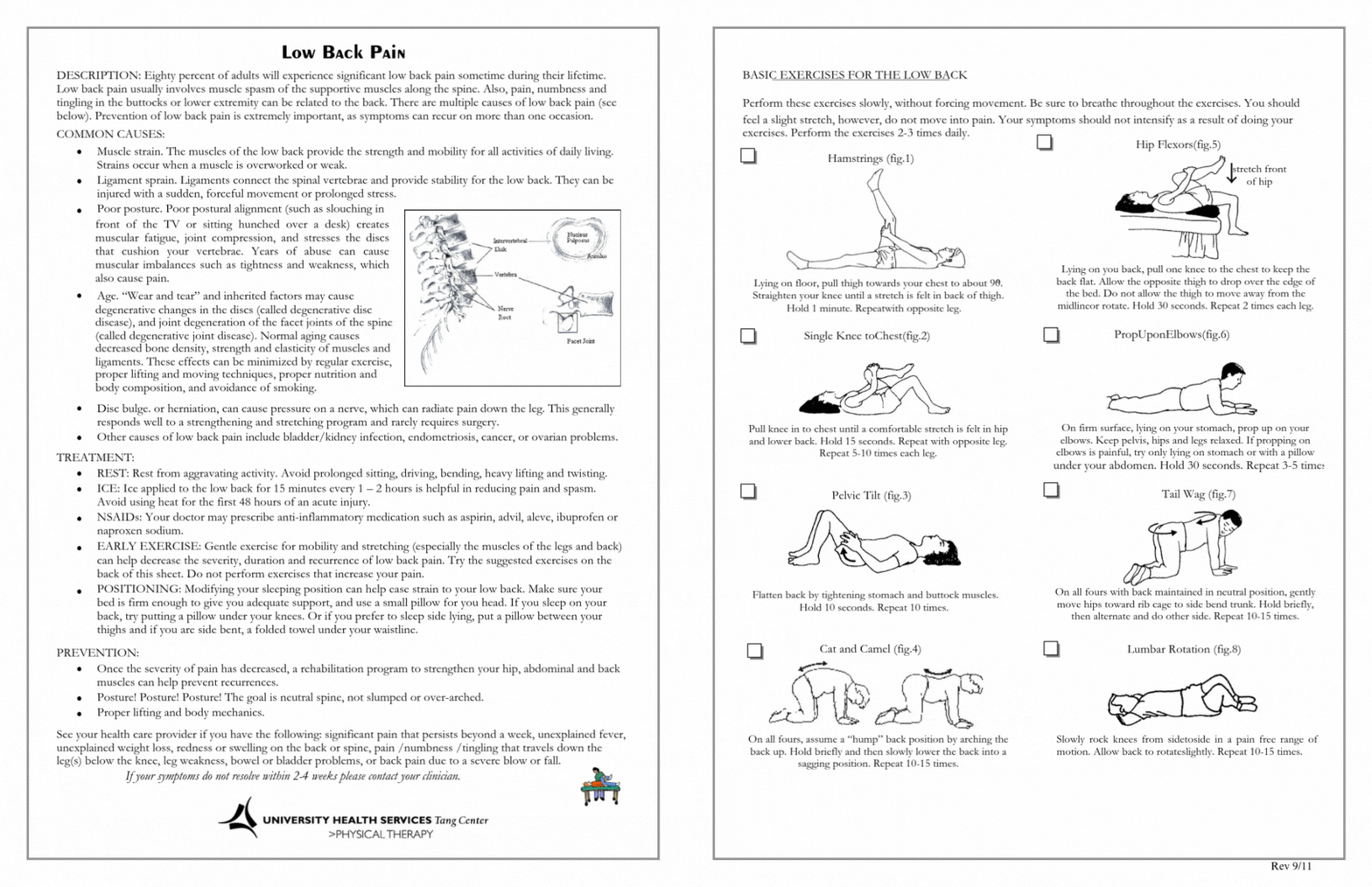
- Patient information and education materials: Printable handouts or digital resources that explain specific treatments, and how to manage health conditions.
- Online health information: Websites from reliable sources, that offer easy-to-read information on a wide range of health topics.





Meditation
Meditation is one of those rare practices that gives you more than it takes. Here are the clearest reasons people choose to meditate—and why it actually works:
1. Mental Clarity
Meditation trains your attention. Over time, it helps reduce the constant chatter and makes it easier to focus, think clearly, and make decisions without feeling overwhelmed.
2. Stress Reduction
It lowers the body’s stress response—slowing breathing, calming the nervous system, and reducing cortisol. Many people notice they feel less reactive and more grounded.
3. Emotional Balance
Meditation helps you observe emotions rather than get swept up in them. This means fewer spikes of anger, anxiety, or worry, and more capacity to respond intentionally.
4. Improved Self-Awareness
By sitting with your thoughts, patterns, and sensations, you learn more about yourself: what triggers you, what motivates you, and what truly matters.
5. Better Sleep
Many meditation techniques quiet the mind before bed, making it easier to fall asleep and stay asleep.
6. Health Benefits
Research links meditation to lower blood pressure, reduced inflammation, improved immune function, and even changes in brain regions associated with memory and empathy.
7. Increased Resilience
Regular practice builds a kind of “inner buffer,” helping you navigate difficult moments with more ease and less panic.
8. Presence and Appreciation
Meditation strengthens your ability to notice what's happening right now—simple things like breathing, sounds, or small joys can feel richer and more vivid.
Morning Meditation
Meditating in the morning can bring about a more positive day when you are able to focus on your personal priorities. In this short video Deepak Chopra, M.D., guides you to step back and focus inward in order to establish four intentions for your day. Through this practice you'll bring a lightness to your morning and a reflective day to follow.
Stress and Anxiety Relief: A Guided Meditation
In this guided meditation, Deepak Chopra explores how our brain responds to everyday stress and how to retrain your brain to help manage all levels of stress. Our minds have a natural tendency to return to a state of balance once we learn to detach from anxiety, and removing yourself from anxious thoughts can help start your path to healing.
Guided Sleep Meditation
In this sleep meditation, Deepak Chopra, M.D., leads us through a calming exercise to ease us into rest, and also to reimagine what our sleep space can be. Take a few moments to remove the barriers to sleep and reclaim the stability of your mind. Through this careful instruction you will be lulled into a restful state and from there you will find comfortable and spacious slumber.